
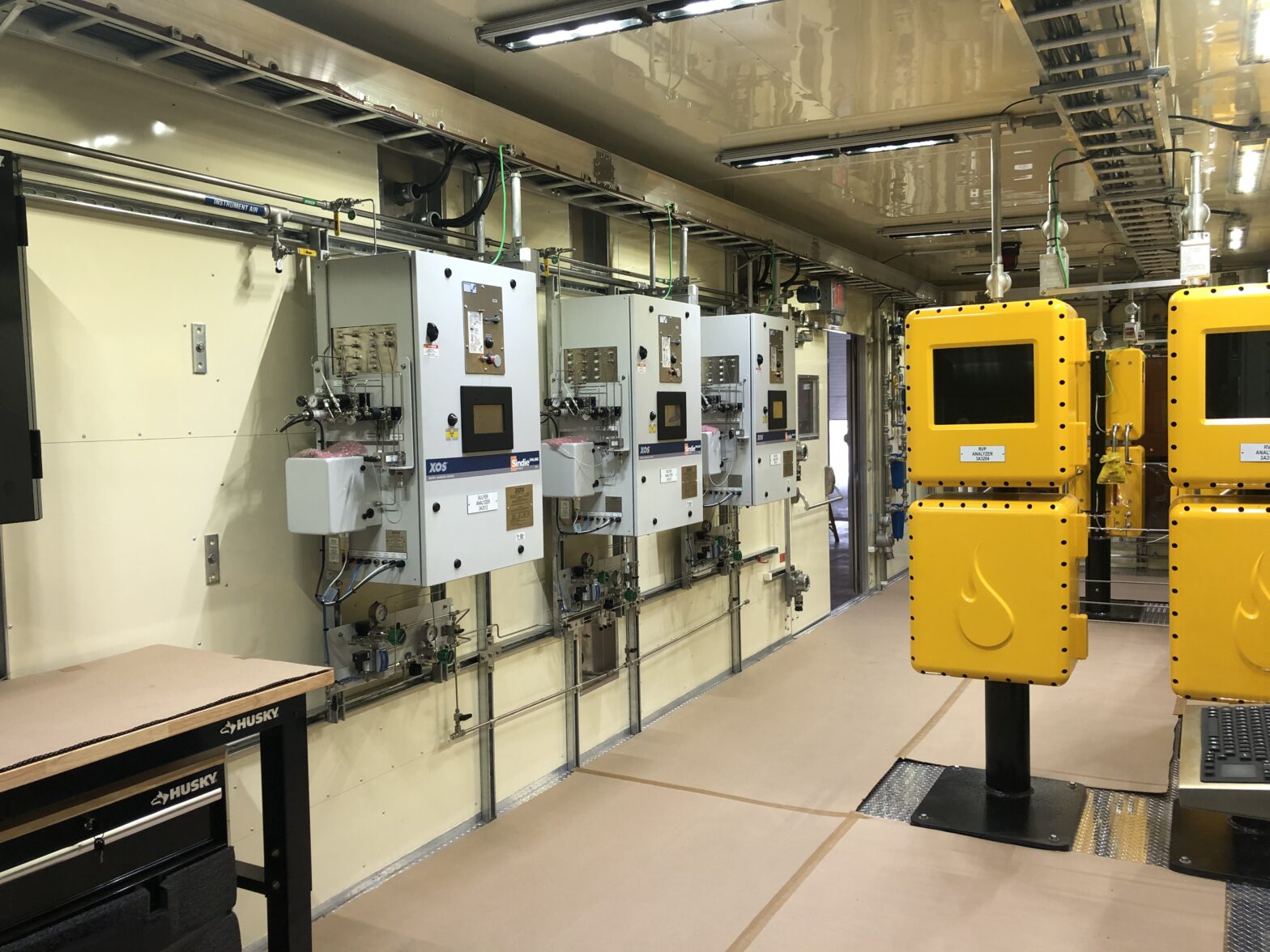
Modern facilities depend on accurate, real-time data to run efficiently and stay compliant. An analytical systems solution brings together instrumentation, software, and integration work to monitor processes like air quality, water quality, and industrial production. Choosing the right one affects everything from data accuracy to long-term costs.
What Should You Evaluate First?
Start by defining your analytical instrumentation needs. Consider what you’re measuring, how often, and under what environmental conditions. These requirements shape every decision that follows, from equipment selection to system design.
Next, assess the expertise of potential analytical systems integrators. Look for a proven track record, in-house fabrication capabilities, and experience across industries similar to yours. An integrator who understands your sector can anticipate challenges before they become costly problems.
Finally, consider integration capabilities. Your new system should work smoothly with existing workflows and equipment, minimizing disruption during installation and beyond.
What Are the Benefits of Choosing Well?
A well-matched analytical systems solution improves data accuracy and operational efficiency, giving teams confidence in the numbers they rely on daily. It also offers scalability, so the system can grow alongside changing needs rather than requiring a costly overhaul.
Perhaps most importantly, the right solution delivers long-term cost savings. Fewer breakdowns, less downtime, and more efficient monitoring translate directly into measurable ROI over time.
Why Partnering with Experts Matters
Taking the time to find the right analytical systems solution pays dividends well beyond the installation phase. Partnering with experienced professionals and skilled analytical systems integrators ensures your system is designed correctly from the start, reducing risk and maximizing long-term value for your operation.